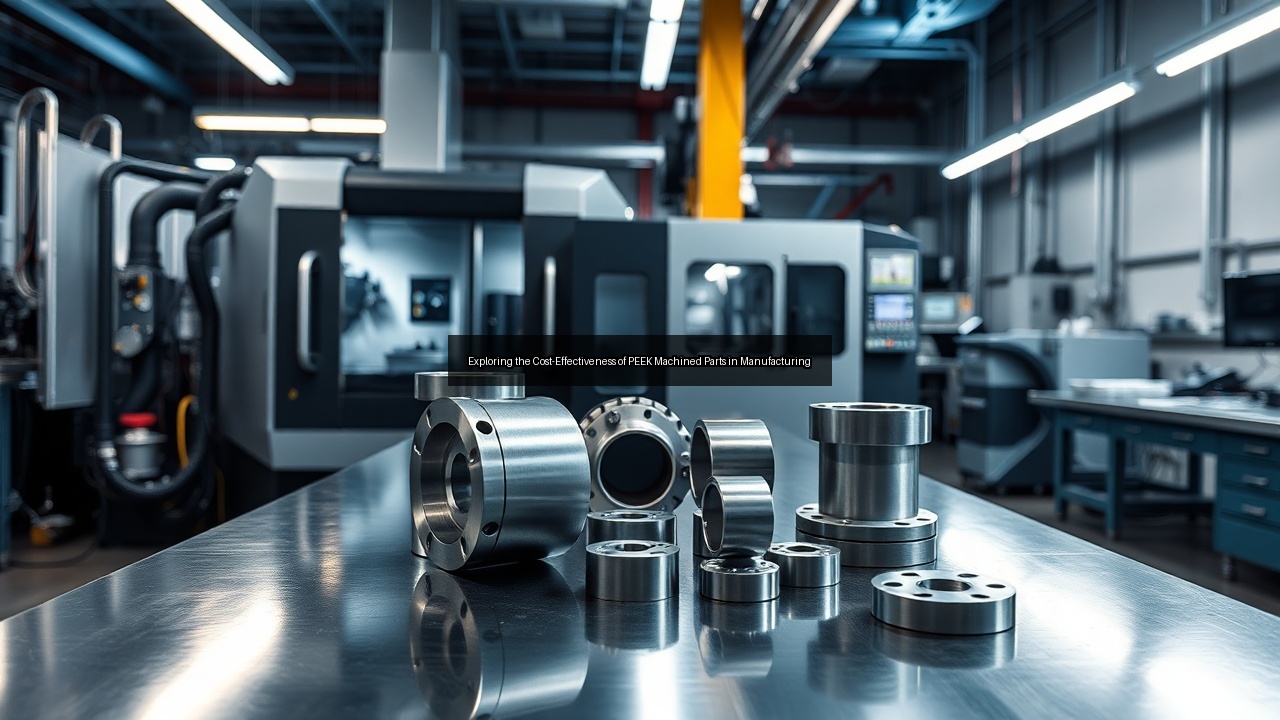
Exploring the Cost-Effectiveness of PEEK Machined Parts in Manufacturing
Understanding PEEK and Its Applications in Manufacturing
Overview of Polyether Ether Ketone (PEEK)
Polyether ether ketone, or PEEK, stands out as a high-performance engineering plastic renowned for its exceptional mechanical and thermal properties. This thermoplastic material exhibits outstanding chemical resistance, dimensional stability, and high strength, making it a popular choice in demanding manufacturing environments. PEEK can withstand temperatures exceeding 250°C (482°F) without losing its structural integrity, which is vital for applications that experience extreme conditions. Its excellent wear resistance further enhances its value in industries where durability and longevity are paramount. Thus, the broad applicability of PEEK machined parts spans aerospace, automotive, medical, and chemical processing sectors, solidifying its reputation as a versatile material in modern manufacturing.
Properties of PEEK that Enhance Cost-Effectiveness
Cost-effectiveness in manufacturing hinges on material performance and longevity. PEEK’s unique properties contribute significantly to its cost-effectiveness. Its high resistance to thermal degradation and chemical attack ensures that PEEK machined parts maintain functionality over extended periods, reducing the need for frequent replacements. The lightweight nature of PEEK also translates to energy savings during transport and installation. Moreover, PEEK’s ability to withstand high pressure and stress makes it an ideal choice for critical components like valves and seals, where failure could lead to costly downtime. Overall, the combination of durability, performance, and lightweight characteristics makes PEEK an economically sound choice for various manufacturing applications.
Common Applications of PEEK Machined Parts
PEEK machined parts find diverse applications across multiple industries due to their robust properties. In the aerospace sector, PEEK components are utilized in parts that require high strength-to-weight ratios, such as brackets and housings. The medical industry also benefits from PEEK's biocompatibility, using it for surgical instruments and implants. In the automotive field, PEEK serves in fuel system components and transmission parts, where resistance to harsh chemicals and high temperatures is critical. Chemical processing industries leverage PEEK’s durability for valves, pumps, and seals, enhancing reliability in aggressive environments. The versatility of PEEK makes it integral to manufacturing processes that demand high performance and safety.
Machining Processes for PEEK Parts
CNC Machining: Techniques and Advantages
CNC machining emerges as a preferred method for creating PEEK machined parts due to its precision and adaptability. Computer Numerical Control (CNC) machining allows for intricate designs and tight tolerances, crucial for applications where precision matters. This technique utilizes various cutting tools to remove material from a solid block of PEEK, shaping it into the desired form. The advantages of CNC machining include reduced human error, the ability to produce complex geometries, and consistency across multiple parts. Additionally, CNC machines can operate continuously, increasing production efficiency. By employing advanced machining techniques, manufacturers can achieve high-quality PEEK components that meet stringent industry standards.
CNC Milling vs. Injection Molding for PEEK
When considering the production of PEEK machined parts, manufacturers often weigh CNC milling against injection molding. CNC milling excels at creating complex and precise geometries, making it ideal for low to medium production runs where high accuracy is required. It allows for rapid prototyping and modifications, which are advantageous in research and development phases. In contrast, injection molding is more suited for high-volume production of simpler shapes, offering lower per-unit costs. However, the initial setup costs for injection molds can be significant, making CNC milling a more cost-effective option for smaller batches or customized components. The choice between these methods ultimately depends on the specific requirements of the project and production scale.
Surface Finish Considerations in PEEK Machining
The surface finish of PEEK machined parts directly impacts their performance and aesthetic appeal. Achieving the desired surface finish involves selecting appropriate machining parameters and tools. Fine-tuning feed rates, speeds, and tool geometries plays a crucial role in attaining a smooth finish. Polishing may be required for components used in visible applications or where low friction is essential. Moreover, surface treatments can enhance certain properties, such as wear resistance or chemical compatibility. Manufacturers must consider these factors early in the design and machining process to ensure the final product meets the required specifications and performance standards.
Cost Analysis of PEEK Machined Parts
Factors Influencing the Cost of PEEK Machined Parts
Understanding the cost dynamics of PEEK machined parts involves examining various influencing factors. Material costs represent a significant portion of the total expenditure, as polyether ether ketone is more expensive than many traditional engineering plastics. The complexity of the part design also affects cost; intricate components require more machining time and specialized tools, increasing labor and tooling expenses. Additionally, factors such as production volume and lead times play vital roles in determining overall costs. Lower production runs often lead to higher per-unit costs due to setup and programming times, while larger batches can benefit from economies of scale. A comprehensive analysis of these factors aids manufacturers in budgeting and optimizing their production processes.
Tool Wear and Its Impact on Cost
Tool wear significantly influences the cost-effectiveness of machining PEEK parts. As tools wear down, their performance deteriorates, leading to increased cycle times and reduced accuracy. This degradation can result in higher scrap rates and the need for additional rework, ultimately increasing production costs. Regular maintenance and monitoring of tools can mitigate these issues, but it requires investment in quality tooling and management practices. Understanding the wear characteristics specific to PEEK machining helps manufacturers choose the right tools and cutting parameters, balancing cost with performance. Properly managing tool wear not only enhances the quality of the finished product but also optimizes overall machining costs.
Comparative Analysis: PEEK vs. Other Engineering Plastics
A comparative analysis of PEEK against other engineering plastics reveals its unique advantages and considerations regarding cost. While materials like Nylon and Acetal may offer lower initial costs, they often lack the high-temperature resistance and chemical stability of PEEK. In critical applications, the longevity and reliability of PEEK can justify the higher upfront expenditure, as it reduces costs associated with replacements and maintenance. Additionally, PEEK's excellent mechanical properties ensure consistent performance under demanding conditions, making it a preferred choice for high-stakes industries. Manufacturers must weigh upfront costs against long-term performance benefits to determine the most suitable material for their specific applications.
Achieving Precision and Tolerance in PEEK Machining
Importance of Tolerance in Machined PEEK Parts
Precision and tolerance in machining PEEK parts are non-negotiable, particularly in applications demanding high performance. Tolerance refers to the allowable variation in dimensions, which directly impacts the functionality and fit of components. In industries such as aerospace and medical, where safety and performance are critical, adhering to tight tolerances ensures that parts operate as intended. Deviations can lead to component failure, resulting in costly downtime and safety risks. Therefore, manufacturers must prioritize precision in both the machining process and the choice of tools to guarantee that PEEK machined parts meet stringent specifications.
Tools and Fixtures for Optimal Machining Performance
Utilizing the right tools and fixtures is crucial for achieving optimal machining performance with PEEK. High-quality cutting tools specifically designed for machining plastics can improve efficiency and reduce wear. Fixtures play a vital role in securing parts during the machining process, minimizing movement and ensuring accuracy. Custom fixtures may be necessary for complex geometries machining in PEEK to maintain stability. Moreover, selecting the right coolant and lubrication can enhance the machining process, ensuring a smooth cut and prolonging tool life. Investing in appropriate tools and fixtures significantly affects the quality and consistency of the final machined PEEK parts.
Case Studies: Successful PEEK Machined Components in Industry
Numerous case studies showcase the successful implementation of PEEK machined components in various industries. For instance, in the aerospace sector, manufacturers have utilized PEEK for lightweight brackets and housings that withstand extreme temperatures and pressures. In the medical field, PEEK’s biocompatibility has led to its adoption in spinal implants, ensuring reliability and safety for patients. The automotive industry also benefits from PEEK in fuel systems, where resistance to chemicals and high temperatures is crucial. These real-world applications demonstrate the versatility and effectiveness of PEEK machined parts, highlighting their role in advancing technology and improving performance across diverse sectors.