Custom Plastic Molding Myths Debunked for Better Decision-Making
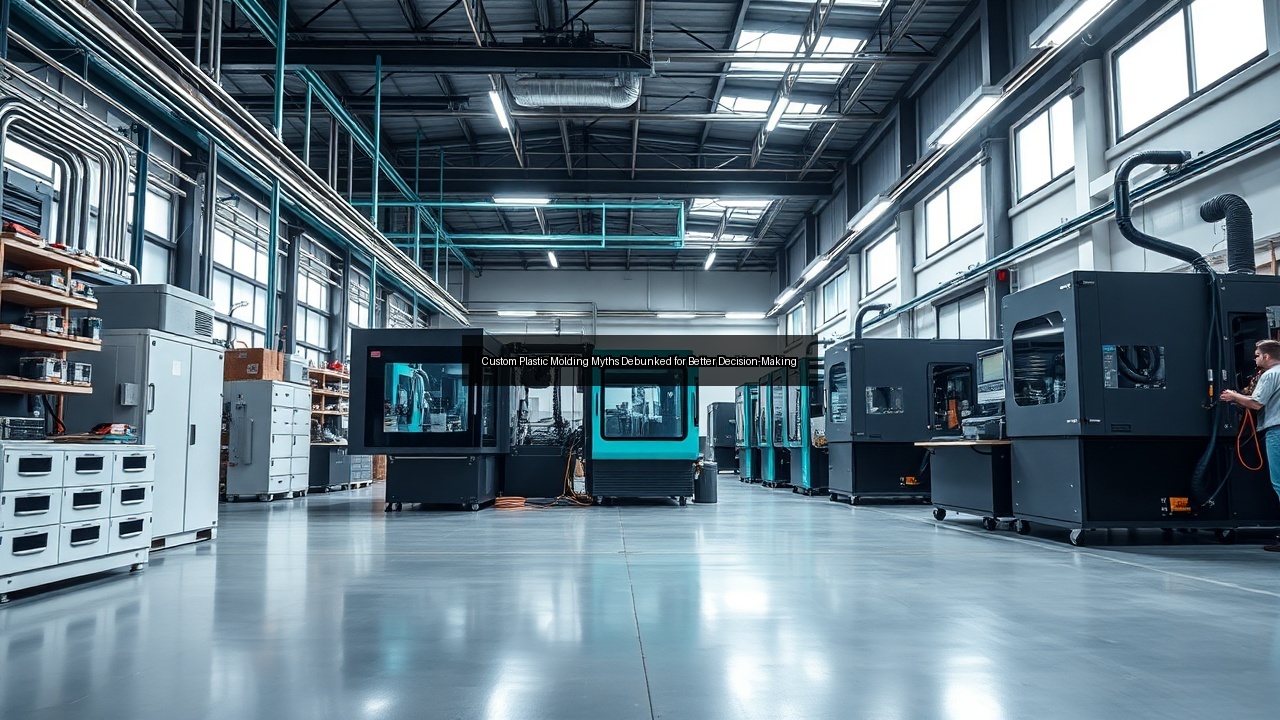
Common Myths About Custom Plastic Molding
Myth 1: Custom Plastic Molding is Always Expensive
Many businesses mistakenly believe that custom plastic molding is synonymous with high costs. While some projects can be expensive, especially those requiring complex designs or specialized materials, the reality is that custom plastic molding can be cost-effective. Factors such as production volume, material selection, and tooling processes significantly affect pricing. For instance, larger production runs typically reduce the per-unit cost due to economies of scale. Additionally, choosing the right thermoplastic materials and efficient production techniques like injection molding can help manage expenses without sacrificing quality. Understanding the intricacies of pricing allows businesses to make informed choices that align with their budget while still achieving the desired quality in molded plastic parts.
Myth 2: All Custom Molding Processes are the Same
Not all custom molding processes yield the same results or suit every application. Each technique has unique characteristics and applications tailored to specific needs. For example, injection molding excels in producing high-volume plastic parts with intricate designs, while overmolding combines two different materials for enhanced functionality. Other methods, like insert molding, integrate metal components into plastic parts for added strength and durability. Acknowledging these differences allows businesses to select the most appropriate process for their product requirements. Understanding the distinct advantages and limitations of each molding method ensures better decision-making and more effective project outcomes, ultimately leading to superior custom plastic solutions.
Myth 3: Custom Plastic Molding Requires Large Production Volumes
Another common misconception is that custom plastic molding only makes sense for large production volumes. While high-volume runs maximize the benefits of custom molding, low-volume production can also be viable and cost-effective. Advances in technology, such as rapid tooling, have made it possible to create molds for smaller batches without prohibitive costs. Industries like prototyping or product testing frequently benefit from low-volume custom molds, allowing for quick adjustments based on market feedback. Moreover, options like 3D printing have emerged as alternatives for producing small quantities of intricate designs. Businesses should consider their specific needs and explore flexible production options to leverage the advantages of custom plastic molding, regardless of volume.
Understanding Different Custom Plastic Molding Techniques
Injection Molding vs. Overmolding: What’s the Difference?
Injection molding and overmolding are two widely used techniques in custom plastic molding, each serving distinct purposes. Injection molding involves injecting molten plastic into a precision-engineered mold to create a single material part. This method is highly efficient and ideal for producing large quantities of identical plastic parts, making it a favorite among manufacturers. On the other hand, overmolding combines two materials in one process, where a base part receives an additional layer of a different material. This technique enhances the functionality and aesthetics of the final product, often improving grip or reducing noise. Understanding the differences between these methods helps manufacturers choose the right approach for their specific product needs, ensuring optimal performance and customer satisfaction.
The Role of 3D Printing in Custom Plastic Molding
3D printing has revolutionized the landscape of custom plastic molding by providing rapid prototyping and design flexibility. Unlike traditional molding methods, which require extensive tooling and setup, 3D printing allows designers to create complex shapes and intricate details without the need for expensive molds. This capability accelerates the design process, enabling faster iterations and adjustments based on testing and feedback. Additionally, 3D printing supports low-volume production runs, making it an attractive option for startups and businesses exploring new product concepts. As the technology continues to evolve, it integrates seamlessly with traditional custom molding techniques, offering manufacturers innovative solutions that enhance both efficiency and creativity in product development.
Exploring Insert Molding and Its Benefits
Insert molding stands out as a specialized technique within the realm of custom plastic molding, merging the advantages of plastic and metal components. During this process, metal inserts are placed into the mold before plastic is injected, creating a strong bond between the two materials. This method enhances the durability and functionality of molded parts, making them suitable for applications requiring high strength and precision, such as automotive and electronic components. Insert molding eliminates the need for additional assembly steps, which streamlines production and reduces overall costs. By understanding the benefits of insert molding, manufacturers can leverage this technique to create superior products that meet rigorous industry standards while effectively minimizing production timelines.
Factors Influencing Custom Plastic Molding Decisions
Material Selection: Choosing the Right Thermoplastic Materials
The choice of thermoplastic materials plays a crucial role in the success of any custom plastic molding project. Different thermoplastics possess unique properties that influence the performance, durability, and overall quality of the final product. For instance, materials like ABS offer excellent strength and impact resistance, making them suitable for consumer products, while nylon is favored for its flexibility and wear resistance, ideal for mechanical applications. Understanding the specific requirements of the application, such as temperature resistance, chemical compatibility, and environmental conditions, guides manufacturers in selecting the most suitable material. Proper material selection not only enhances the performance of molded parts but also contributes to cost efficiency and sustainability in the production process.
Quality Control Measures in Injection Moldings
Quality control is paramount in custom plastic molding, particularly in injection moldings where precision and consistency are critical. Implementing stringent quality control measures throughout the production process helps ensure that every molded part meets the required specifications and standards. Techniques such as regular inspections, dimensional analysis, and stress testing are essential in identifying potential defects early on. Additionally, using advanced technologies like automation and real-time monitoring systems enhances the accuracy of quality assessments, reducing the risk of defects in the final products. By prioritizing quality control, manufacturers can maintain high standards and achieve customer satisfaction, ultimately strengthening their reputation in the competitive landscape of custom plastic molding.
Pricing Considerations in Custom Plastic Molding
Pricing in custom plastic molding involves several variables that manufacturers must consider to ensure profitability and competitiveness. Factors such as tooling costs, material expenses, and production volume significantly influence the overall pricing structure. Tooling costs can vary widely based on the complexity of the mold and the materials used. Efficient production techniques, such as rapid tooling, can help mitigate these costs while maintaining quality. Additionally, understanding market dynamics and customer expectations aids in setting competitive prices without compromising on quality. Manufacturers must also evaluate their supply chain logistics, as efficient management can lead to reduced overhead and better pricing strategies. By carefully assessing these pricing considerations, businesses can make informed decisions that align with their financial goals while delivering value to their customers.
Enhancing Your Custom Plastic Molding Experience
Rapid Tooling: Speeding Up Production
Rapid tooling has emerged as a game-changer in the field of custom plastic molding, significantly reducing the time required to produce molds. Traditional tooling methods often involve lengthy design and manufacturing processes, leading to delays in product development. Rapid tooling, however, utilizes advanced techniques like 3D printing and CNC machining to create molds quickly and efficiently. This approach not only accelerates the production timeline but also allows for quick modifications based on design changes or testing feedback. Embracing rapid tooling enhances responsiveness to market demands, enabling businesses to launch products faster and stay ahead of competitors. By prioritizing speed without sacrificing quality, manufacturers can optimize their custom plastic molding experience and drive business growth.
The Importance of Logistics in Custom Molding Projects
Logistics plays a critical role in the success of custom molding projects, affecting everything from material sourcing to production timelines. An efficient logistics strategy ensures that materials arrive on time and in the right condition, minimizing production disruptions. Additionally, effective management of transportation and storage reduces costs and optimizes supply chain operations. Collaboration with suppliers and manufacturers enhances communication and coordination, leading to smoother workflows and timely deliveries. Implementing robust logistics solutions not only improves operational efficiency but also boosts customer satisfaction by ensuring that molded products reach the market promptly. By recognizing the importance of logistics, businesses can enhance their custom plastic molding projects and achieve better overall results.
Using Liquid Silicone Rubber for Precision Parts
Liquid silicone rubber (LSR) has gained popularity in custom plastic molding due to its unique properties ideal for producing precision parts. LSR offers excellent flexibility, durability, and resistance to extreme temperatures and chemicals, making it suitable for a variety of applications, including medical devices and automotive components. The injection molding of LSR allows for intricate designs and complex geometries, which can be challenging with traditional thermoplastics. Additionally, LSR’s biocompatibility makes it an excellent choice for products that require strict hygiene standards. By leveraging LSR in custom plastic molding, manufacturers can produce high-performance parts that meet stringent quality requirements while enhancing functionality and user experience.