Future Trends in Contract Supplement Manufacturing You Can't Afford to Miss
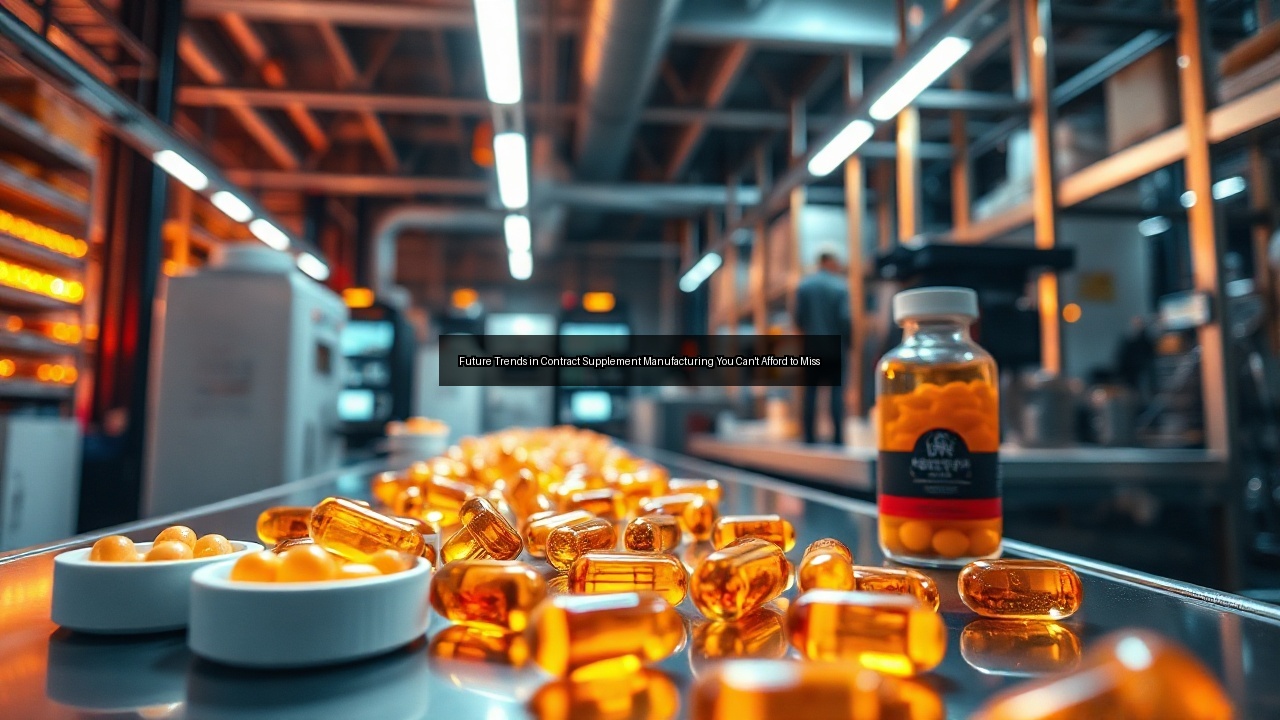
Emerging Technologies in Contract Supplement Manufacturing
The Role of Advanced Manufacturing Techniques
Contract supplement manufacturers now deploy precision extrusion and continuous processing lines that slash production times while boosting batch consistency. These techniques allow supplement manufacturers to handle high-volume runs of complex formulas without compromising potency. Advanced machinery integrates real-time sensors that adjust parameters on the fly, cutting waste and ensuring every tablet meets exact specifications. Manufacturers gain flexibility to switch between different supplement lines quickly, responding to market shifts in demand for vitamins or herbal blends. This approach also supports smaller minimum order quantities, opening doors for emerging brands that need reliable contract manufacturers. Overall, such innovations drive down costs and elevate output quality across the sector.
Utilizing AI for Quality Control
AI systems empower contract supplement manufacturers to monitor every stage of production with unmatched accuracy. Machine learning algorithms analyze spectral data from raw materials to finished goods, flagging deviations before they affect final products. Supplement manufacturers integrate these tools into existing lines, reducing human error and accelerating release times for new batches. Quality controls become proactive rather than reactive, as predictive models anticipate issues like ingredient degradation. Contract manufacturers that adopt AI report fewer recalls and stronger client trust. This technology scales easily, handling data from multiple facilities simultaneously and supporting global supply chains for supplements.
Smart Inventory Management Systems
Smart inventory platforms give contract supplement manufacturers live visibility into stock levels across warehouses and production floors. Automated forecasting uses sales data and seasonal trends to reorder ingredients precisely when needed, avoiding both shortages and excess capital tie-up. Supplement manufacturers benefit from reduced spoilage of sensitive compounds like probiotics through climate-controlled tracking. These systems link directly with suppliers, streamlining procurement for contract manufacturers handling diverse dosage form requirements. Real-time alerts prevent downtime, while analytics reveal patterns that optimize storage and cut carrying costs. Manufacturers that implement smart inventory report smoother operations and faster turnaround for client orders.
Innovations in Dosage Forms
The Rise of ODT (Orally Disintegrating Tablets)
ODT technology transforms how consumers take supplements by dissolving rapidly on the tongue without water. Contract supplement manufacturers refine compression methods to create sturdy yet fast-disintegrating tablets that retain full potency. This dosage form suits busy professionals and elderly users who struggle with traditional pills. Supplement manufacturers expand ODT lines for vitamins, minerals, and nootropics, meeting rising demand for convenient delivery. Contract manufacturers invest in specialized equipment that ensures uniform disintegration times across batches. The format also improves compliance rates, as users find it more pleasant than swallowing capsules. Growth in ODT production signals a shift toward user-centric designs in the supplement industry.
Effervescent Tablets: A Trend to Watch
Effervescent tablets deliver supplements in a fizzy drink format that boosts absorption and palatability. Contract supplement manufacturers develop acid-base reactions that release active ingredients evenly when dropped in water. This dosage form appeals to athletes and health enthusiasts seeking quick hydration alongside nutrients. Supplement manufacturers formulate effervescent versions of electrolytes, vitamin C, and magnesium with minimal sodium content. Contract manufacturers perfect coating techniques to extend shelf life despite the reactive nature of the ingredients. The trend grows as consumers seek alternatives to standard pills, pushing manufacturers to scale effervescent production lines efficiently.
Exploring Gel Formulations in Supplements
Gel formulations offer a soft, chewable option that bypasses swallowing difficulties while protecting sensitive compounds during digestion. Contract supplement manufacturers blend natural gelling agents with active ingredients to create stable, flavorful products. This dosage form works well for omega-3s and collagen, where traditional tablets fall short. Supplement manufacturers experiment with vegan gels that maintain texture across temperature variations. Contract manufacturers apply sciences of polymer chemistry to control release rates and improve bioavailability. Gel products gain traction among younger demographics and those preferring functional snacks over pills, expanding market reach for supplement manufacturers.
Sustainability in Supplement Manufacturing
Eco-Friendly Ingredients and Packaging
Contract supplement manufacturers source plant-based and traceable ingredients to meet sustainability goals. They pair these with biodegradable blister packs and recycled bottles that reduce plastic waste. Supplement manufacturers redesign formulas around renewable extracts, cutting reliance on synthetic fillers. Contract manufacturers audit suppliers for ethical farming practices that preserve soil health. This shift appeals to eco-conscious buyers who examine labels closely. Manufacturers also explore algae-derived capsules that replace gelatin without sacrificing performance. Such changes position contract supplement manufacturers as responsible partners in the supply chain.
Reducing Carbon Footprint in Production
Contract supplement manufacturers install solar arrays and energy-efficient motors to lower emissions from mixing and tableting equipment. They optimize batch scheduling to run equipment at peak efficiency, minimizing idle time. Supplement manufacturers track Scope 3 emissions from ingredient transport and adopt local sourcing where feasible. Contract manufacturers switch to water-based cleaning systems that cut chemical use and wastewater. These steps align production with global climate targets while maintaining output volumes. Manufacturers that document reductions attract clients focused on green credentials.
The Impact of Sustainability on Consumer Choices
Buyers now favor supplement manufacturers that publish carbon reports and use sustainable packaging. Contract supplement manufacturers highlight these efforts on product pages to build loyalty. Consumers reward brands that prioritize sustainability with repeat purchases and referrals. Supplement manufacturers that ignore these preferences risk losing shelf space to greener competitors. Contract manufacturers respond by certifying facilities under recognized eco-standards. This consumer pressure accelerates industry-wide adoption of responsible practices across dosage form production.
Quality Control: Ensuring Excellence in Supplements
Best Practices for Quality Assurance
Contract supplement manufacturers enforce strict in-process checks at every production step, from raw material arrival to final packaging. Teams document deviations immediately and implement corrective actions to prevent recurrence. Supplement manufacturers train staff on current good manufacturing practices that safeguard potency and purity. Contract manufacturers run stability studies that verify shelf-life claims under real-world conditions. These practices reduce batch failures and strengthen regulatory standing. Manufacturers that maintain rigorous protocols deliver consistent products that clients can trust for their brands.
Regulatory Compliance and Its Importance
Contract supplement manufacturers stay ahead of FDA and international guidelines by updating standard operating procedures regularly. Compliance protects against costly recalls and legal exposure. Supplement manufacturers maintain detailed traceability records that allow quick identification of any issue source. Contract manufacturers undergo frequent audits to demonstrate adherence to labeling and contaminant limits. This diligence supports market access in multiple regions. Manufacturers treat compliance as a core operational strength rather than a burden.
Technological Advances in Quality Monitoring
Contract supplement manufacturers deploy near-infrared spectroscopy and automated vision systems to inspect tablets for defects at high speed. These tools integrate with quality controls software that logs every measurement for audits. Supplement manufacturers use blockchain to create immutable records of ingredient origins and test results. Contract manufacturers benefit from faster release decisions without sacrificing accuracy. The advances reduce reliance on manual sampling while increasing coverage across entire batches. Manufacturers that invest here achieve measurable gains in consistency and client satisfaction.
The Future Landscape of Contract Supplement Manufacturers

Market Trends and Consumer Demands
Contract supplement manufacturers track rising interest in personalized nutrition and clean-label products. Supplement manufacturers expand capabilities to produce small-batch custom blends quickly. Consumers demand transparency on sourcing and third-party testing, pushing contract manufacturers to offer more data with each order. Market growth favors manufacturers who combine scale with agility. Trends point toward continued demand for convenient dosage forms that fit modern lifestyles. Manufacturers that anticipate these shifts secure long-term contracts with growing brands.
Navigating Challenges in the Manufacturing Sector
Contract supplement manufacturers face supply chain volatility and rising raw material costs. They counter these pressures through diversified supplier networks and forward contracts. Supplement manufacturers invest in automation to offset labor shortages. Contract manufacturers also manage regulatory changes across borders by maintaining dedicated compliance teams. These strategies help sustain margins while meeting client timelines. Manufacturers that plan proactively turn obstacles into competitive advantages.
Collaborations and Partnerships in the Industry
Contract supplement manufacturers form alliances with research institutions to develop next-generation formulas. Supplement manufacturers team with packaging specialists to create sustainable options faster. Contract manufacturers share best practices through industry groups that tackle common challenges like quality controls standardization. These partnerships accelerate innovation and spread risk across the value chain. Manufacturers that collaborate effectively deliver better results for end consumers and strengthen their market position over time.
See Also
- Gel Supplements and the Role of Contract Manufacturers in Their Production
- Unlocking the Secrets of Contract Supplement Manufacturers for Your Next Product Launch
- How Quality Controls Shape the Future of Contract Supplement Manufacturing
- Sustainable Practices in Contract Supplement Manufacturing You Should Know
- Exploring Innovative Dosage Forms with Contract Supplement Manufacturers